Improv on Impulse
Bethesda: Eight Mondays, September 21 to November 16, 7:00 to 9:30 pm, at Imagination Stage, 4908 Auburn Avenue. No class October 12. Class Performance November 16.
Reston: Eight Thursdays, September 24 to November 12, 7:00 to 9:00 pm, at Browns Chapel, 1575 Browns Chapel Road, produced with Next Level Improv. Class Performance November 12.
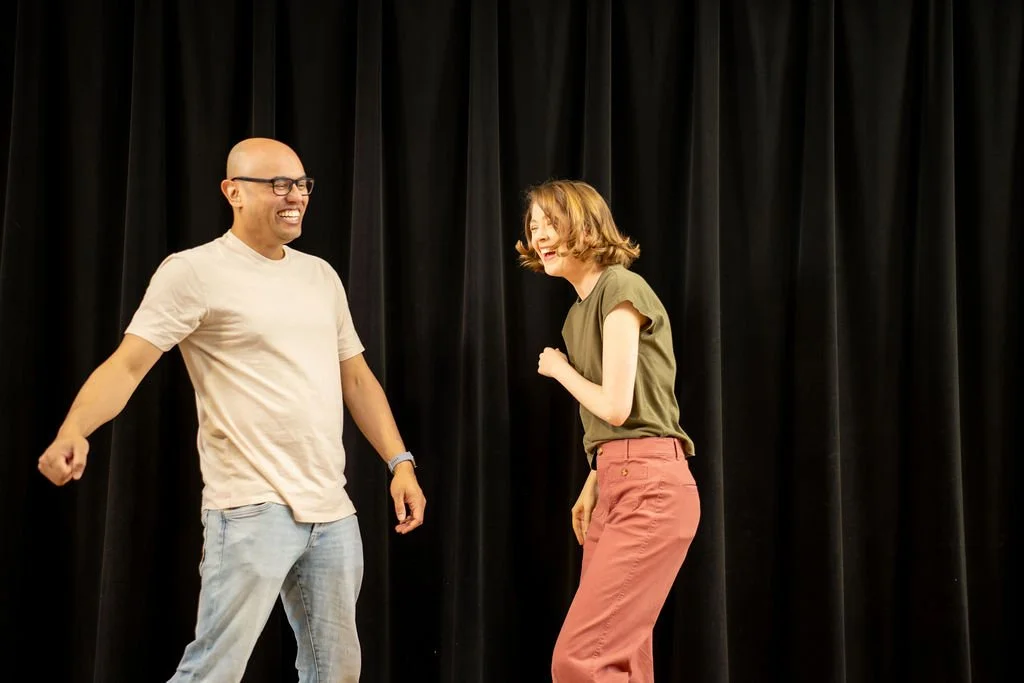
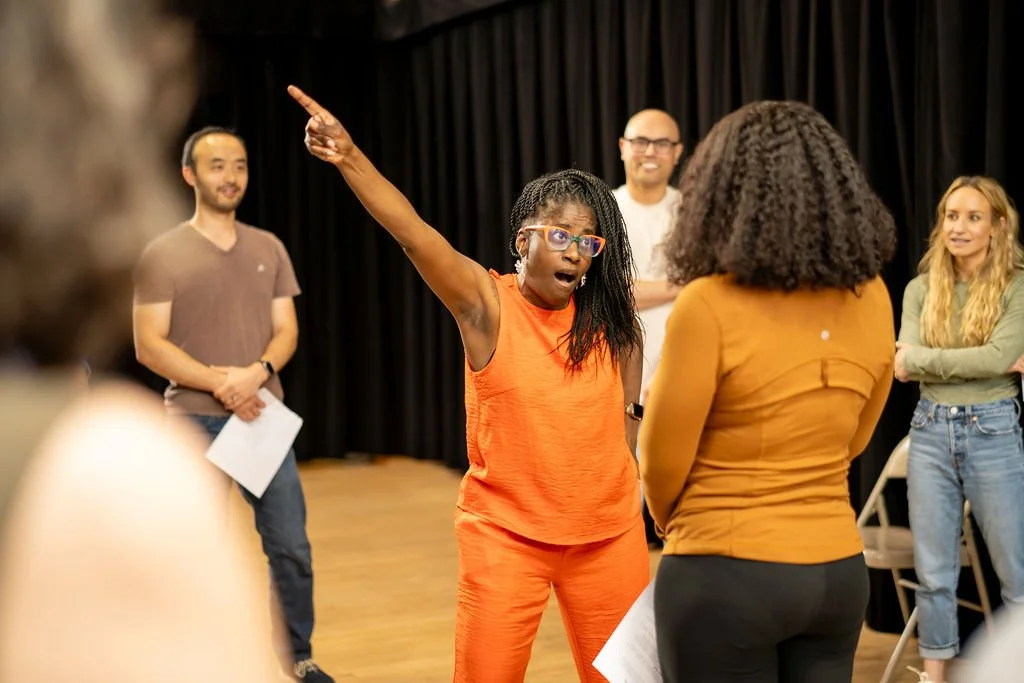
Words are half the craft in improv. This class trains you in the other half: your reactions — the laugh, the flinch, the shift you feel inside when your scene partner speaks. These are what grip an audience and make them forget they’re watching actors in a show. Over eight weeks, you’ll learn to work from that place.
In impulse-based improv, dialogue emerges from what you feel. Relationships emerge from your behavior. And plot emerges from both, without anyone steering the scene. It’s more believable that way, because your spontaneous reactions never lie.
What you’ll work on
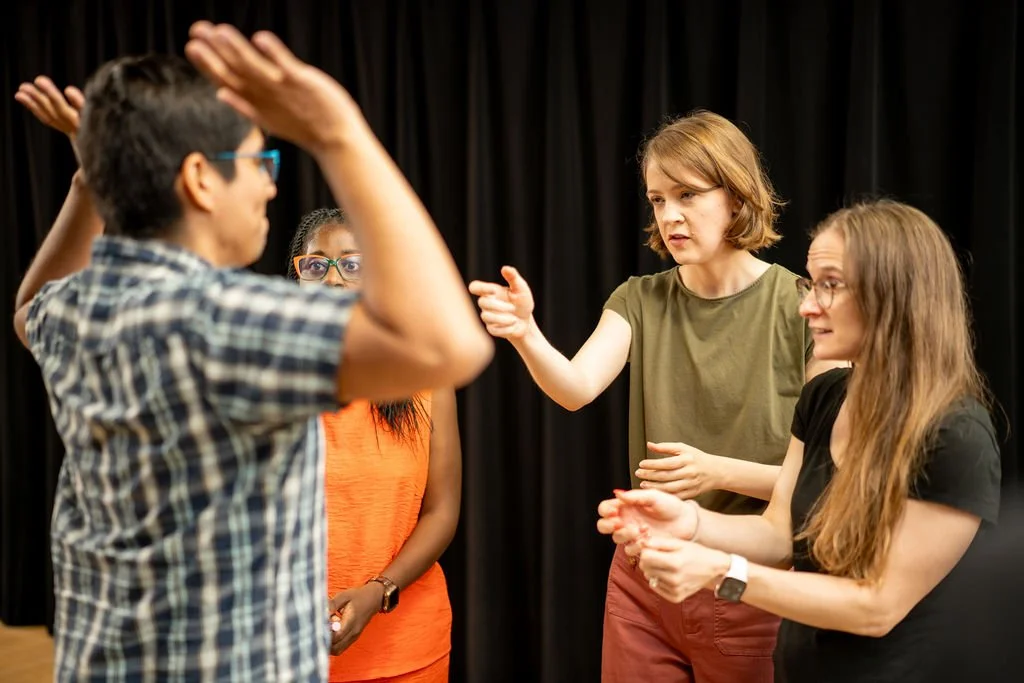
Over eight weeks you’ll put your physical and emotional impulses, not your thoughts and plans, in the lead:
Entering a scene authentically, before the first word is spoken
Letting relationships reveal themselves through behavior, not exposition
Generating emotional heat through physical action, object work, and discovery
Building story from what characters do because of what they feel
Taking focus and holding the stage
No need to write the story in your head. No need to wait for the clever line to arrive. You react. The scene follows.
What changes when you train this way
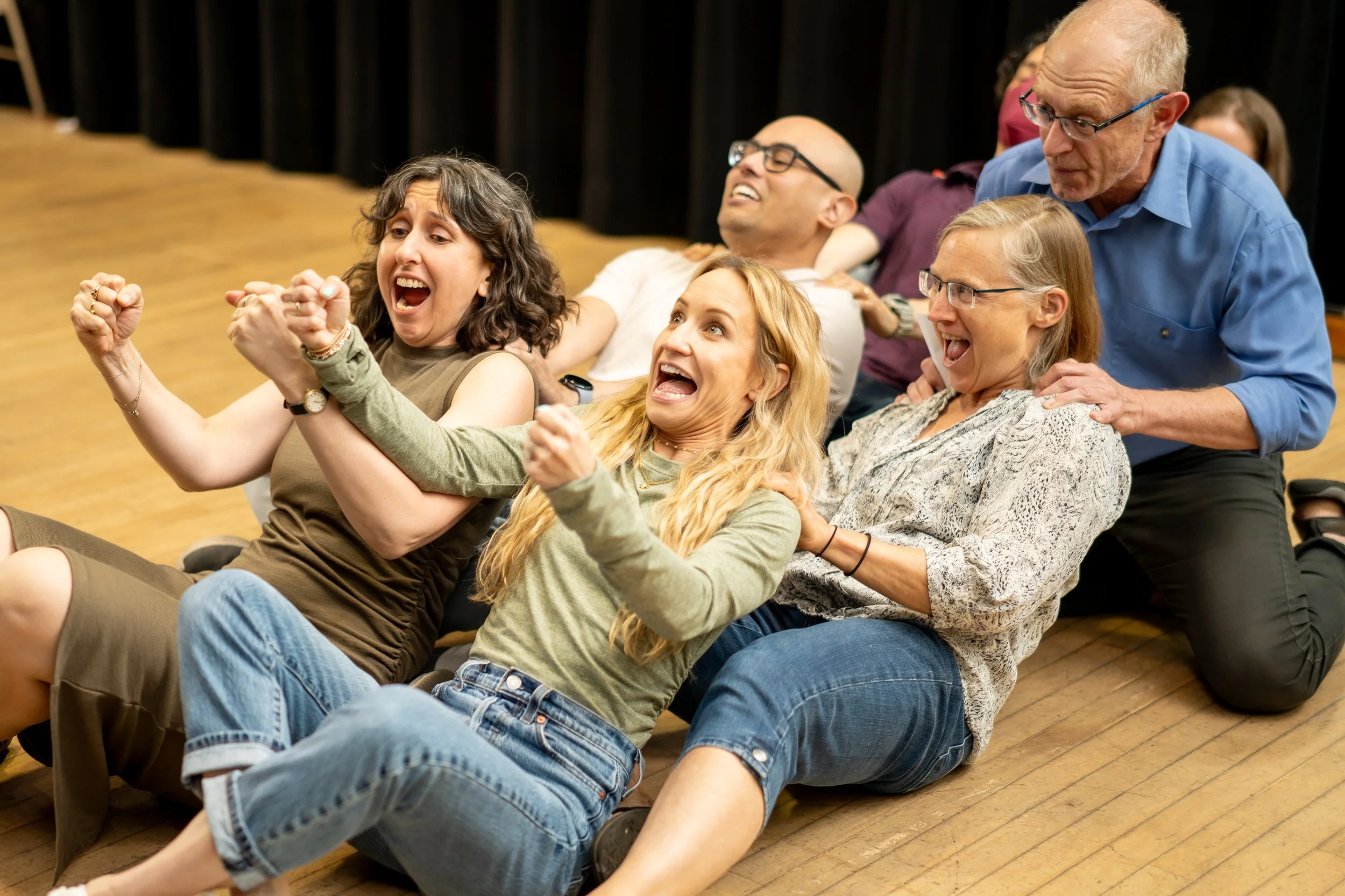
Scenes feel real. You stop performing at the audience and start living something with your partner.
Story emerges naturally. Plot comes from behavior and human consequence, not mental templates.
“Not knowing” becomes home ground. The unknown stops being something to manage; it’s where the most resonant work lives.
“The workshop exposed facets of myself I had never before experienced. Powerful. I need to do it again.”
— Jonathan Bartlett, improviser
Tuition: $400